Why Is There No Premier League This Weekend? Three-Week International Break Explained
Premier League supporters looking for their usual weekend fix are facing an unusually long wait. After the latest round of matches, England’s top flight has paused for a three-week international window stretching across late September and early October.
The reason is a major change to FIFA’s international calendar. Instead of separate September and October international breaks, the two windows have effectively been combined into one extended period. That means domestic leagues including the Premier League have stopped while national teams begin their 2026/27 UEFA Nations League campaigns.
Why is there no Premier League this weekend?
The 2026 international calendar features a longer autumn window designed to reduce the number of separate interruptions to the club season. FIFA approved the change in 2023, combining the traditional September and October breaks into a single extended window.
The new format allows national teams to play four matches during one period rather than bringing players together twice in quick succession. The current Nations League window runs from September 24 into early October, with another international window scheduled for November.
For Premier League clubs, the practical result is straightforward: there are no league matches during this extended international period. It is a much longer pause than supporters have become accustomed to at this stage of the season.
When does the Premier League return?
Club football will resume after the international window in October. The pause comes only five rounds into the new Premier League season, making the timing particularly noticeable as teams had only just begun building momentum.
Manchester City entered the break top of the table after maintaining their perfect league start with a 5-3 win over Sunderland, while defending champions Arsenal suffered their first defeat of the campaign at Brighton. Tottenham, meanwhile, have endured a difficult opening and went into the break at the bottom of the table.
The extended pause gives managers an unusual block of time to work with players who have not been called up internationally, but squads with large numbers of internationals will have little opportunity for collective training before domestic football resumes.
What are players doing during the break?
Many Premier League stars are beginning UEFA Nations League duty. England open their campaign against world champions Spain at Wembley, with Thomas Tuchel’s squad also facing the Czech Republic and Croatia during the extended window.
England have already been hit by several withdrawals. Cole Palmer, Declan Rice, Marcus Rashford, Kobbie Mainoo and Tino Livramento were among the players ruled out ahead of the Nations League fixtures.
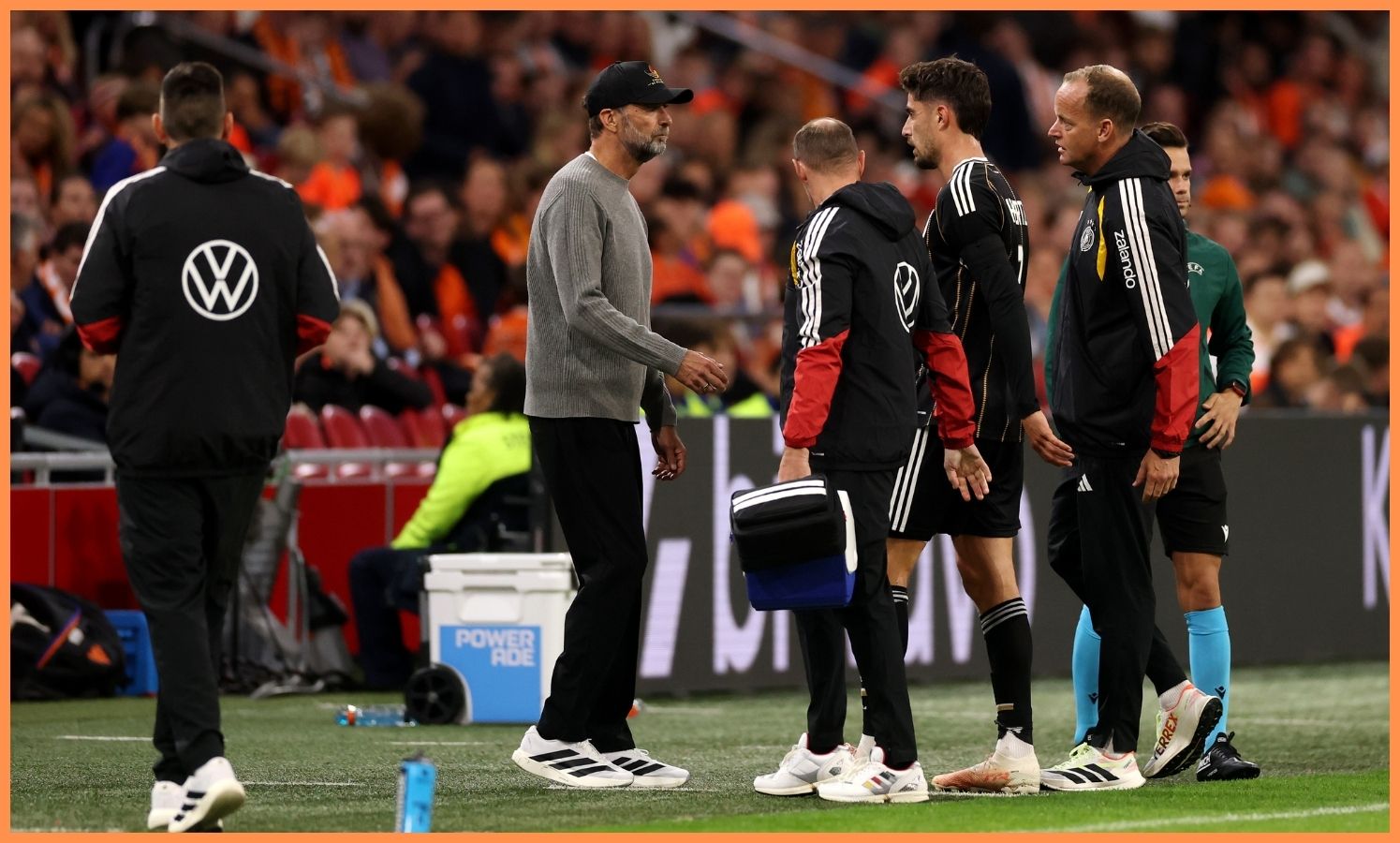
Elsewhere, Germany begin a new era under Jurgen Klopp, while Xavi takes charge of the Netherlands. France are also under new management with Zinedine Zidane, adding further interest to the opening Nations League fixtures.
Will the three-week international break happen again?
Yes. The longer September international window is part of FIFA’s calendar through at least 2030. Rather than four separate international breaks across the season, the revised schedule reduces the number of interruptions by combining the early-season windows.
The November and March international periods remain, but supporters should now expect this extended pause to become a regular feature of the football calendar.
For Premier League fans, that means a strange three-week gap just as the domestic season gets moving — and a packed return when club football resumes in October.